Retinol vs Alternative Actives for Lip Gloss Formulations
A practical OEM/ODM guide to lip gloss formulated with Retinol, covering benefits, dosage and stability, line extensions...
Read moreLip Gloss development remains one of the most requested categories in our OEM/ODM pipeline, and formulas built around Azelaic Acid continue to lead briefs that target daily UV protection. This guide explains how lip gloss is engineered, which variables matter most during scale-up, and how brands can move from concept to a shelf-ready product without costly reformulation.
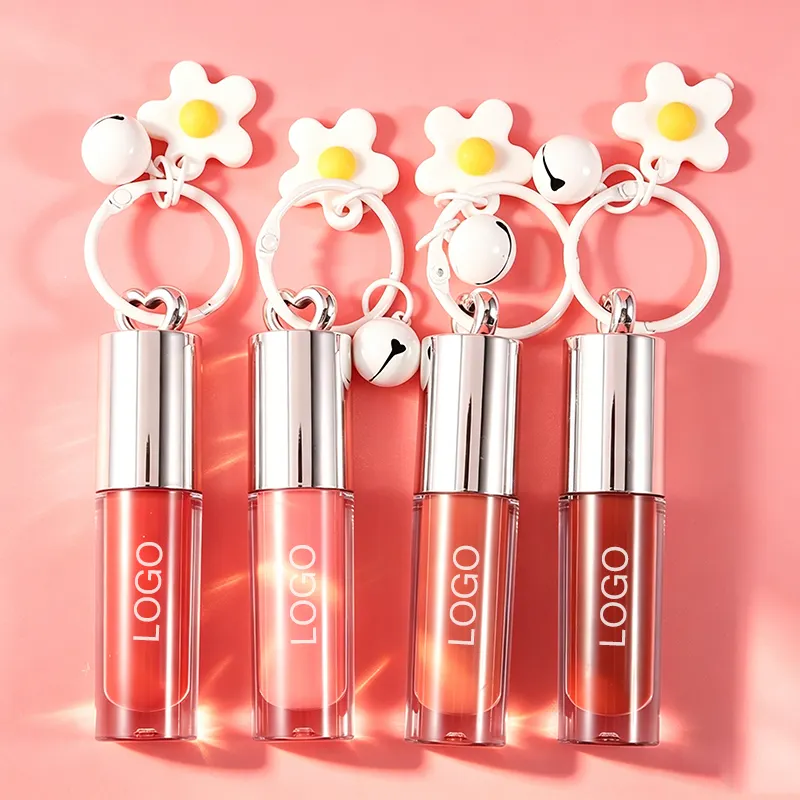
Azelaic Acid is widely used in lip gloss formulations for clarifying tone care. In practical terms it refines texture while reducing redness and blemishes. For brand owners the important question is not whether the ingredient works, but at what concentration it stays stable, compatible and pleasant to use. We typically evaluate Azelaic Acid across a dosage ladder, then lock the level where sensory performance and claim support meet cost targets.
A well-built lip gloss positioned on daily UV protection shields skin from photo-ageing. The benefit story is strongest when three layers work together:
Our laboratory starts from your positioning brief, then screens Azelaic Acid against the base you prefer. We test pH windows, viscosity targets, fragrance compatibility and packaging interaction, because a lip gloss that performs in the beaker can still fail in wand tubes and squeeze tubes. Stability is verified under heat, cold and cycling conditions, and we repeat microbial challenge testing before any formula is released for scale-up.
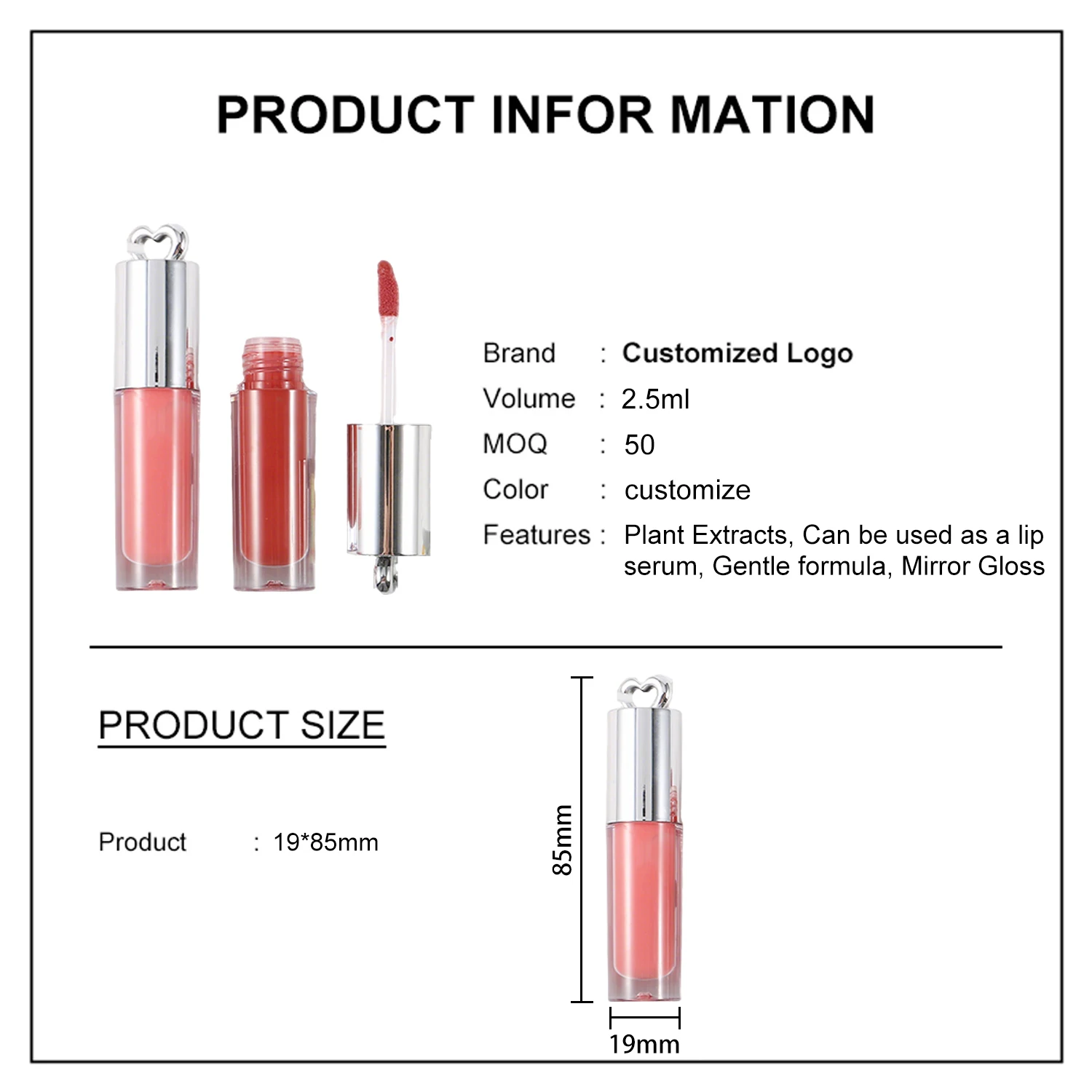
Once the core lip gloss is approved, most brands extend into a routine: a companion cleanser, a treatment step and a maintenance moisturiser that repeats the Azelaic Acid story at a different intensity. This approach raises average order value and keeps the ingredient narrative consistent across the shelf. Packaging is usually standardised across the line so that cartons, labels and inserts share the same visual language.
Every Lip Gloss batch is produced under HALAL certification with retained samples and a certificate of analysis. For shipments into North America we prepare the technical file your importer will request, including safety assessment, labelling review and restricted-substance screening. Documentation is assembled during development rather than after production, which is the single most effective way to avoid launch delays.
GuangDong Kangmeihui Cosmetics Co., Ltd. combines formulation, component sourcing, filling and export documentation under one roof. That means a lip gloss brief does not get handed between disconnected suppliers, and decisions on Azelaic Acid dosage, packaging and testing are made against the same timeline. Whether you are launching your first private label or adding a line extension, the goal is the same: a repeatable product that performs identically batch after batch.
A practical OEM/ODM guide to lip gloss formulated with Retinol, covering benefits, dosage and stability, line extensions...
Read moreA practical OEM/ODM guide to essence formulated with Hyaluronic Acid, covering benefits, dosage and stability, line exte...
Read moreA practical OEM/ODM guide to facial mist formulated with Tea Tree Oil, covering benefits, dosage and stability, line ext...
Read moreA practical OEM/ODM guide to lotion formulated with Hyaluronic Acid, covering benefits, dosage and stability, line exten...
Read moreTell us your OEM/ODM needs, we'll reply within 24h.